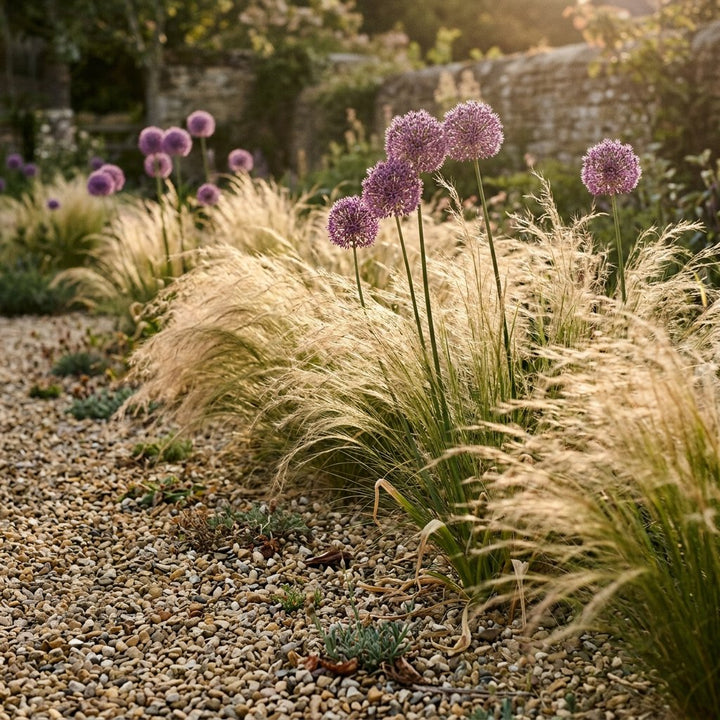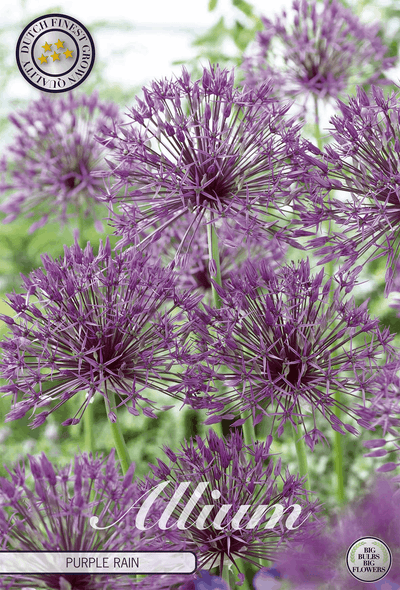


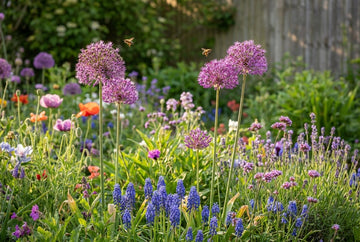

Dried allium is usually the spent flower or seed head on a stem: light, round and eye-catching without looking bulky. If you want to turn it into a beautiful dried flower yourself, cut it on a dry day as soon as the globe is fully formed. Then let the stem dry and harden slowly in a dry, airy place. Below, you can read which alliums are best for this, how to style them and what is useful if you first want to get started with planting and caring for alliums.
What part of an allium you actually dry
By dried allium, we do not normally mean the plantable bulb, but the decorative flower or seed head of ornamental allium. People sometimes search for this as “dried onion bulbs”, when what is actually meant is the airy globe on a stem. Allium is loved as a dried flower because of its round shape, fine structure and sturdy stem. Only cut it once the head is fully formed, feels dry and is undamaged.
How to dry allium step by step
- Cut the stem on a dry day after the allium flowering time and preferably leave it a little longer, so you have more choice later for a vase or bouquet.
- Carefully remove any loose petals or damaged parts.
- Let the allium continue drying in a dry, airy place out of strong sun until the head has fully hardened.
- Only move it after that and handle it carefully: as it dries, the globe becomes more brittle.
Looking for cutting-stage and longevity pointers you can apply before drying? See Bulb flowers as cut flowers.
Which alliums dry most beautifully
| Allium type | Effect after drying | Best for |
|---|---|---|
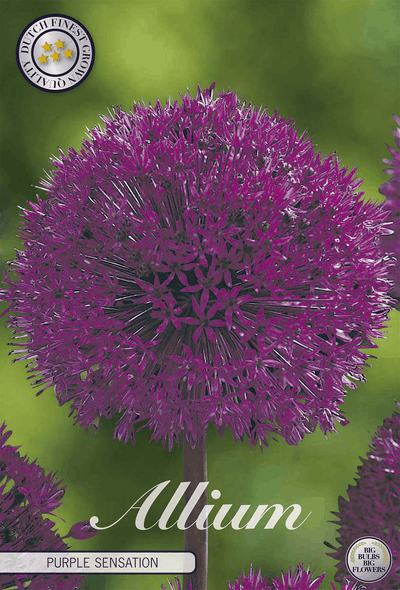
| Giant or tall varieties | Large globe on a long, sturdy stem; a real statement | Single stems and tall vases |
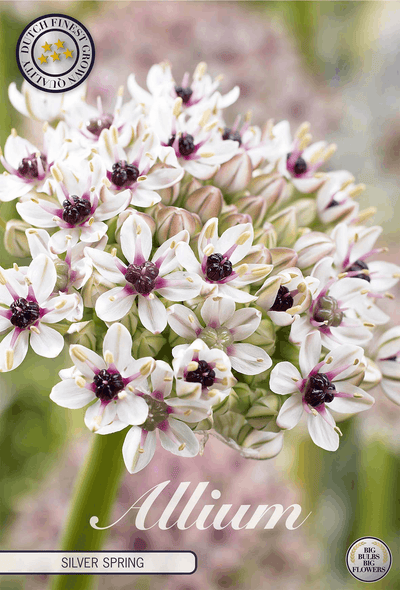
| White varieties | Calm, light look with a neat structure | Minimalist styling and understated bouquets |
| Compact varieties | Smaller heads with a subtler rhythm | Small arrangements and lower vases |
Above all, look for an intact, even head. Not every allium dries just as neatly, even if the colour was beautiful in flower.
Want oversized, architectural seed heads? Discover our Giant Allium selection for striking dried stems.
Growing your own allium for a good dried flower
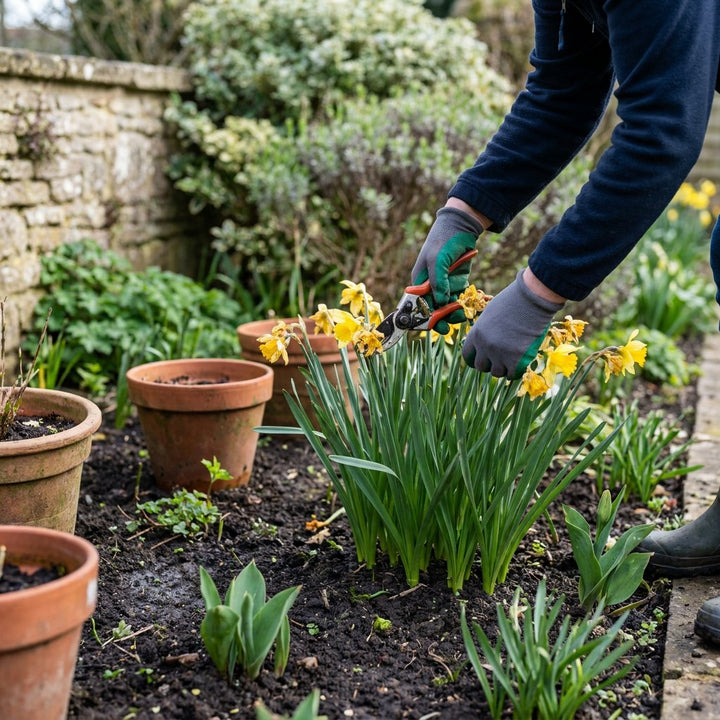
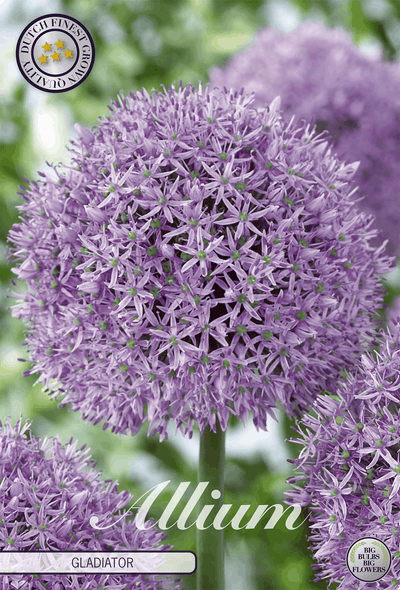
If you want to harvest good dried stems yourself, plant allium bulbs from September to November in a sunny spot in well-drained soil. Allium flowers in May and June. Most garden alliums are considered hardy and can return in the right position. Let the foliage die back first and only cut the stem once the head is usable. Allium 'Gladiator' is one of the tall types and gives long, striking dried stems. Prune back Allium 'Millenium' after flowering if you do not want to keep the head. For what to do with leaves and stems once flowering is over or the heads are dried, see Bulbs after flowering.
How to use dried allium in a vase and bouquet
Dried allium works beautifully as a single statement stem in a tall vase, but also as a group for more rhythm. In a dried bouquet, it immediately adds height and that recognisable globe shape, without needing much extra volume. That means it suits both a sleek modern interior and a natural, airy arrangement. The open structure is exactly what makes allium such a strong structural element among finer dried flowers.
How to keep dried allium beautiful for longer
A dried allium is meant for dry decoration. So do not put it in water, and preferably not in a damp room either. Keep the stem neat by dusting it carefully, avoiding direct sunlight and placing it in a stable spot. The less you move or touch it, the smaller the chance that the brittle globe will break, discolour or stop looking its best.